Vertical of Eight Curve Lines in Modern Design
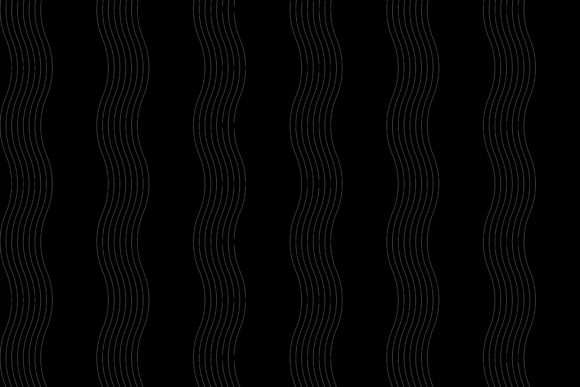
When you strip away color and reduce a composition to its most essential elements, you often find the strongest visual statements. The Vertical of Eight Curve Lines pattern does exactly that. It takes a simple premise—eight flowing, parallel lines arranged vertically on a black background, rendered in white—and turns it into a versatile design tool. Whether you are a textile designer looking for a repeat motif, a blogger searching for a backdrop that feels both minimalist and bold, or a brand strategist seeking a signature monochrome language, this pattern offers more than just aesthetics. It offers structure, rhythm, and a quiet confidence that resonates across digital and physical spaces.
What Makes This Pattern Stand Out
At first glance, the Vertical of Eight Curve Lines may read as a simple stripe variation. But look closer and you notice the subtle curvature woven into each line. These are not rigid, straight bands. They bend gently, introducing a sense of movement without disrupting the overall vertical flow. The result is a pattern that feels both organized and organic, structured yet alive.
Key characteristics include:
- Monochrome contrast – White lines against a deep black field create maximum visual impact. This high-contrast pairing works in almost any context, from screen displays to printed fabric.
- Rhythmic repetition – Eight equally spaced curves form a predictable cadence. The repetition makes the pattern easy to scale, tile, or crop without losing its identity.
- Subtle dynamism – Unlike flat stripes, the gentle bends introduce a kinetic quality. The lines appear to shift and flow, adding depth to what might otherwise be a flat graphic.
- Modern minimalism – The black-and-white palette and clean geometry align with contemporary hipster and minimalist aesthetics. No excess, no ornamentation—just deliberate form.
Why Designers and Creators Keep Coming Back to This Motif
Patterns like the Vertical of Eight Curve Lines occupy a sweet spot in the design world. They are bold enough to stand alone as a statement, yet restrained enough to recede into the background when needed. For professionals working across different media, this duality is invaluable.
1. Digital and screen-based applications
On websites, apps, and social media graphics, backgrounds often fight for attention. A busy, colorful texture can overwhelm content. The Vertical of Eight Curve Lines pattern solves this by offering a clean, high-contrast backdrop that frames content rather than competing with it. Use it as a hero section background, a scroll-stopping divider, or a subtle texture behind headings and call-to-action buttons. Because the lines are vertical and evenly spaced, they guide the eye naturally down the page, supporting skimmability and flow.
2. Textile and fashion design
Monochrome prints remain a staple in fashion and home textiles. The Vertical of Eight Curve Lines pattern translates beautifully onto fabric, whether screen-printed on cotton, woven into a jacquard, or applied as a digital print. The white-on-black palette works for everything from statement dresses to throw pillows, tote bags, and scarves. The curved lines add a hand-drawn, artisan feel that differentiates the print from mass-produced geometrics.
3. Wallpaper and interior surfaces
In interior design, wallpaper is experiencing a renaissance. The Vertical of Eight Curve Lines pattern offers a sophisticated option for accent walls, powder rooms, or even ceiling treatments. The vertical orientation can make a room feel taller, while the curves soften the overall look. Pair it with natural materials like wood or linen for a balanced, modern interior.
4. Packaging and wrapping
Product packaging is often the first physical touchpoint a customer has with a brand. Using the Vertical of Eight Curve Lines pattern on boxes, bags, or wrapping paper conveys a sense of deliberate design and attention to detail. Small brands and boutique businesses can use this pattern to create a cohesive, recognizable look across their entire product line. Because the pattern is monochrome, it prints cleanly and cost-effectively, even on smaller production runs.
Practical Benefits in Real-World Use
Beyond its visual appeal, this pattern brings tangible advantages to the people who use it.
Usability and legibility – When used as a background, the high contrast between white lines and the black field means that overlaid text remains readable. You do not have to fight with color shifts or distracting detail. The pattern supports communication rather than undermining it.
Brand consistency – A signature pattern like Vertical of Eight Curve Lines can become a visual anchor for a brand. Use it across your website, business cards, packaging, and social media templates. Over time, customers begin to associate the pattern with your brand, building recognition and trust without the need for a logo in every frame.
Scalability without loss – Because the pattern is based on simple vectors, it scales from a small icon all the way up to a billboard. The curves remain smooth, the spacing stays consistent, and the contrast stays sharp. This makes it equally useful for favicons and large-format prints.
Where It Fits in Different Environments
The Vertical of Eight Curve Lines pattern is not limited to one industry or use case. Its flexibility means it adapts to the tone and needs of different environments.
Creative studios and agencies
Use the pattern as a signature element in portfolio presentations, mood boards, or client decks. It projects a sense of controlled creativity—you are an artist, but also a professional who understands structure.
Educational and instructional materials
Slides, handouts, and online course backgrounds benefit from a clean, non-distracting visual field. The Vertical of Eight Curve Lines pattern provides a modern, polished backdrop that keeps the focus on the content. The vertical lines can even serve as subtle alignment guides for text and imagery.
Retail and hospitality spaces
Stores, cafes, and hotel lobbies often use patterned surfaces to define zones or add visual interest. The Vertical of Eight Curve Lines pattern works well as a vinyl wall application, a printed curtain, or a floor decal. Its monochrome nature allows it to coexist with other design elements without clashing.
What to Consider When Selecting or Implementing This Pattern
Choosing a pattern is about more than liking how it looks. Here are some practical considerations to keep in mind.
- Scale and proportion – The same pattern feels different at different scales. A small-scale version reads as texture; a large-scale version reads as graphic art. Test the pattern at multiple sizes before committing to a final application.
- Surface and material – On a glossy screen, the white lines will appear bright and crisp. On a matte fabric or textured paper, the contrast may soften. Always request a physical sample or mockup to see how the pattern behaves in your specific context.
- Orientation – While the vertical arrangement is the defining feature, do not be afraid to rotate the pattern. A horizontal or diagonal variation can unlock new uses while retaining the same core aesthetic.
- Combination with other elements – Because the pattern is high contrast and relatively busy, pair it with simple typography, solid colors, or subtle textures. Avoid adding competing patterns or bright colors directly adjacent unless you are aiming for a maximalist effect.
- Licensing and file formats – Whether you are downloading a vector file or commissioning a custom version, ensure you have the appropriate rights for your intended use. For commercial production, confirm that the file is supplied in a format compatible with your workflow (AI, EPS, SVG, PDF, or high-res PNG).
A Pattern That Earns Its Place
The Vertical of Eight Curve Lines pattern is not a fleeting trend or a decorative afterthought. It is a thoughtfully constructed design tool that balances contrast, rhythm, and movement. For anyone working in visual communication—whether you are a seasoned art director, a solopreneur building your brand from scratch, or a hobbyist exploring print design—this pattern offers a reliable, beautiful foundation. It earns its keep not by shouting, but by providing structure and style in equal measure. When you need a background that works, a texture that intrigues, or a motif that defines your visual identity, this eight-line composition is worth a long look.