Random Stripe of Vertical and Horizontal: A Modern Design Tool for Creatives and Entrepreneurs
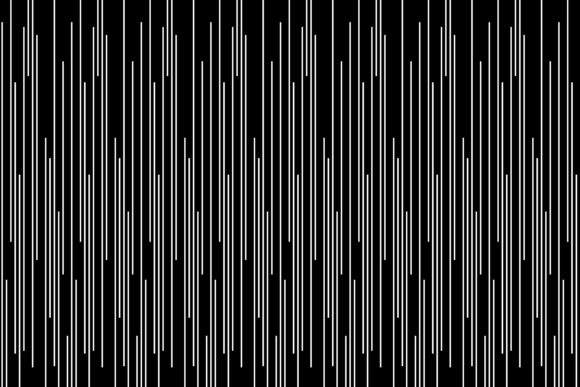
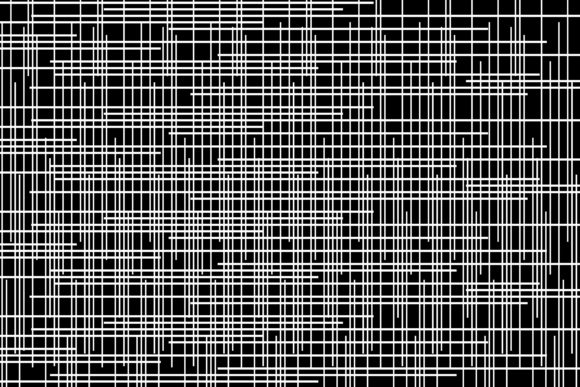
If you have spent any time browsing design assets, pattern libraries, or textile catalogs lately, you have likely come across something called a random stripe of vertical and horizontal. At first glance, it looks deceptively simple: white lines crisscrossing a black background, forming an abstract grid that feels both chaotic and intentional. But once you start using it, you realize this is not just another pattern. It is a versatile, modern element that fits into more projects than you might expect.
This article walks through what this pattern actually is, who uses it, and why it works across so many different contexts. No fluff, no jargon. Just practical observations from someone who has seen how these stripes behave in real projects, from textile design to website backgrounds to product packaging.
What Makes a Random Stripe of Vertical and Horizontal Different
Most striped patterns follow a predictable rhythm. Equal spacing, consistent thickness, repeating intervals. A random stripe of vertical and horizontal breaks away from that. The lines vary in width, spacing, and arrangement, creating an abstract, almost glitch-like visual. Because it stays strictly monochrome, white on black, it does not compete with other design elements. Instead, it adds texture and structure without overwhelming the viewer.
This is not the kind of pattern you use to fill empty space. It is the kind you use to create atmosphere. Think of a concert poster, a minimalist album cover, or a fabric that needs to feel urban and slightly raw. That is the territory where this pattern lives.
Textile and Fashion Design
If you work in fashion or textile design, you know that monotone patterns can be tricky. They need enough visual interest to stand on their own, but they also need to remain wearable and adaptable. A random stripe of vertical and horizontal works well here because it reads as both modern and neutral. A scarf, a tote bag, or a panel on a jacket can carry this pattern without looking busy. It also pairs naturally with solid colors, especially muted tones like olive, rust, or cream.
One designer I spoke with uses this pattern as a lining fabric for blazers. The outside is a solid charcoal wool, but the inside reveals the sharp white-on-black stripes. It is a subtle surprise that customers notice when they try the jacket on. That kind of detail builds brand identity without screaming for attention.
Digital Backgrounds and Wallpapers
For anyone building websites, apps, or digital presentations, background textures can be difficult. Too much detail distracts from the content. Too little feels flat. A random stripe of vertical and horizontal hits a sweet spot. It provides a tactile, almost screen-printed feel that works behind text blocks, hero sections, or product images. Because the pattern is abstract, it does not fight with typography. And because it is monochrome, it renders well on screens of all sizes.
I have seen this pattern used effectively as a desktop wallpaper for brand laptops in a co-working space. The black background made the white logo pop, and the irregular stripes gave the space a creative, slightly edgy vibe. It cost nothing more than a wallpaper file, but it changed the entire feel of the room.
Print and Packaging
Packaging designers often look for patterns that wrap around boxes, bags, or labels without creating visual clutter. A random stripe of vertical and horizontal works especially well on cylindrical surfaces like tubes or bottles, where the irregular spacing hides seams and tape lines. It also works on flat packaging, like sleeve boxes or paper wraps, where you want a background that feels intentional but not repetitive.
A small candle brand I follow uses this pattern on their matchbox sleeves. The black box has white stripes printed in a random arrangement, with the brand name in a small sans-serif font. It is minimal, but it stands out on a shelf full of pastel and floral packaging. Customers often post photos of the boxes on social media, which tells you the design works.
Freelancers and Solo Creators
If you are a freelancer, you likely need assets that do multiple jobs. You cannot afford to buy ten different pattern packs for ten different clients. A single random stripe of vertical and horizontal can serve as a background for social media templates, a texture for portfolio mockups, or an overlay for video titles. Because it is abstract, it adapts to different brand styles with just a color invert or a scale adjustment.
One illustrator I know uses this pattern as a base layer for digital collages. She sets the stripes at low opacity and builds her hand-drawn elements on top. The pattern adds depth without distracting from her line work. She told me it saves her hours of creating custom textures for each piece.
Small Business Owners
Small business owners often handle their own branding, especially in the early stages. You might need a pattern for your website header, your product photography backdrop, and your shipping inserts. A random stripe of vertical and horizontal can unify all of those touchpoints with a single visual language. It is especially useful if your brand leans toward minimalist, industrial, or urban aesthetics.
A coffee roaster I buy from uses this pattern on their website footer and their bag labels. The black background matches their dark roast packaging, and the white stripes echo the steam lines in their logo. It is cohesive without being overdesigned.
Educators and Content Creators
Teachers, trainers, and online educators need presentation materials that look polished without taking hours to design. A pattern like this can serve as a slide background for quote decks, section dividers, or title slides. Because it is monochrome, it prints well in black and white, which matters if your students or team members do not have color access.
I have seen this pattern used effectively as a backdrop for instructional video intros. The speaker stands in front of a wall or screen with the stripes, and the camera focuses on them. The pattern adds visual interest to what would otherwise be a blank wall, and it does not compete with the speaker's face or gestures.
Resolution and Scaling
Not all random stripe patterns are created equal. Some are designed for screen use only, with thin lines that disappear when printed. Others are built for large-format applications, with thick lines that hold up on banners or fabric. Before you download or buy a pattern file, check the resolution and the recommended use case. If you plan to print it on a poster or a textile, you need a file that scales without pixelation.
Licensing and Commercial Use
If you are using this pattern for client work or products you sell, pay attention to the license terms. Some pattern packs allow unlimited commercial use, while others restrict it to personal projects. This matters if you plan to use the pattern on merchandise, packaging, or digital products. A quick read of the licensing page saves you headaches later.
Contrast and Accessibility
White lines on a black background offer strong contrast, which is great for visibility. But if you plan to place text or icons on top of the pattern, test how they read. On a busy section of the pattern, thin text can get lost. Adjust the opacity of the pattern layer or use a solid overlay behind your text to maintain readability. This is especially important for web accessibility standards, where contrast ratios matter.
File Format and Editability
If you are a designer who likes to tweak patterns, look for vector files like SVG or EPS. These allow you to change line thickness, spacing, or orientation without losing quality. Raster files like JPEG or PNG are fine for quick use, but they are harder to customize. If you plan to use the pattern across multiple projects, a vector file gives you more flexibility in the long run.
Event Branding and Signage
For a pop-up market, a gallery opening, or a music festival, you need visual elements that feel temporary but intentional. A random stripe of vertical and horizontal printed on banners, tablecloths, or directional signs creates a unified look without requiring a full branding overhaul. The monochrome palette keeps printing costs low, and the abstract pattern hides wrinkles and wear on fabric signage.
Interior Decor and Wallpaper
If you are decorating a home or a commercial space, wallpaper with this pattern adds texture without dominating the room. It works well in entryways, hallways, or accent walls where you want something modern but not loud. The white-on-black combination also photographs well, which matters for Airbnb hosts or retail spaces that rely on social media images.
Zine and Editorial Layouts
Independent publishers and zine creators often work with limited budgets and black-and-white printing. A random stripe of vertical and horizontal can serve as a background for full-page spreads, a divider between articles, or a border element. Because it is monochrome, it prints cleanly on standard copiers and risographs. It also gives the publication a cohesive visual identity without requiring full-color photographs.
Bringing It Into Your Own Work
The beauty of a random stripe of vertical and horizontal is that it does not demand a specific style or skill level. Whether you are designing a textile collection, building a brand from scratch, or creating content for your classroom, this pattern offers a flexible starting point. It is not a gimmick. It is a tool that works because it stays simple and lets the rest of your design do the talking.
If you are considering adding it to your next project, start small. Use it as a background for a single social media post or a test print on a small fabric swatch. See how it interacts with your colors, your typography, and your overall mood. Chances are, you will find it fits more naturally than you expected. And once you see how it behaves in real use, you will start noticing opportunities to apply it in ways you had not considered before.
That is the real value of a pattern like this. It does not try to be the hero of your design. It makes everything around it look better, and that is exactly what a good pattern should do.