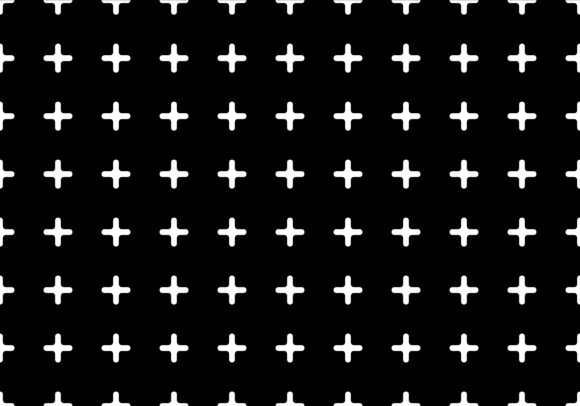
Plus Sign of Pattern Vector for Modern Design
In contemporary visual communication, the simplest symbols often carry the greatest impact. The plus sign of pattern vector has emerged as a surprisingly versatile element in design, offering clean geometry and symbolic resonance that works across many applications. When rendered as modular white forms on a black background with a modern hipster aesthetic, this pattern takes on a distinctive monochrome character that feels both industrial and refined. Whether you are developing textile prints, wallpapers, background textures, or decorative wrapping materials, understanding how to use the plus sign of pattern vector effectively can elevate your work and streamline your creative process.
Why the Plus Sign of Pattern Vector Matters for Creators
The plus sign of pattern vector is more than a decorative motif. Its modular nature allows for repetition, scaling, and rotation without losing coherence, making it especially useful for creating seamless designs. The plus symbol itself carries meanings of addition, positivity, and intersection—qualities that can subtly reinforce brand messages or thematic concepts in print and digital media. For designers working on cloth patterns, wrapping papers, or ornamental elements, this vector provides a structural foundation that is both simple and adaptable.
One of the practical benefits is the time saved during layout. Because the plus sign of pattern vector is typically created as a repeatable tile, you can generate large surface areas without manual adjustment. This efficiency matters when you are producing multiple design variations or need to meet tight deadlines. The modular nature also supports easy editing: you can change scale, rotation, or spacing in a few clicks, then preview the updated pattern across a full layout.
Another advantage is visual consistency. When you use a single vector element throughout a collection, the resulting patterns feel cohesive. A line of products—such as wallpaper, fabric, and wrapping paper—can share the same base motif while varying only in scale or density. This approach strengthens a brand identity and simplifies production workflows.
Monochrome Design and the Hipster Isolated Aesthetic
Modern hipster design often favors stripped-back visuals that feel handcrafted yet precise. The plus sign of pattern vector, when presented as white shapes on a black background, achieves a stark contrast that reads as bold and intentional. This monochrome concept works particularly well for isolated patterns—where each symbol stands alone rather than overlapping—because the negative space becomes an active part of the composition.
For illustrators and texture designers, this approach offers flexibility. The same vector can be used as a subtle background texture in a branding project, or scaled up to become a primary visual element in a textile print. The absence of color noise also ensures the pattern integrates well with other design components. If you are creating backdrops for photography or product staging, a monochrome plus sign pattern can add depth without competing with the subject.
Steel and metallic finishes are another natural fit. Because the plus sign of pattern vector is defined by clean lines, it can be applied to engraved or embossed effects, making it suitable for industrial-inspired ornamentation. In such cases, the pattern becomes a texture rather than a printed layer, adding tactile quality to physical products.
Practical Applications Across Media and Materials
The versatility of the plus sign of pattern vector becomes clear when you consider the range of applications possible with a well-designed modular pattern. Below are several areas where this design approach delivers tangible benefits.
Wallpaper and Background Design
Wallpapers benefit from repeatable patterns that do not distract but still provide visual interest. A plus sign pattern on a black background with white elements creates a contemporary atmosphere suitable for accent walls, offices, or creative studios. The modular nature means you can adjust the density—tight spacing gives a textured fabric-like appearance, while wider spacing creates a more open, airy look. For digital backgrounds, the same principle applies: a monochrome vector pattern can serve as a neutral backdrop for web pages, presentations, or social media graphics.
Textile and Cloth Printing
Textile designers often look for patterns that translate well across different fabric weights and weave structures. The plus sign of pattern vector, with its simple geometry, prints cleanly on cotton, linen, and synthetic blends. The monochrome palette also reduces ink usage and cost, which can matter for large production runs. Additionally, the modular format makes it easy to create seamless repeats for continuous rolls of fabric, saving time during layout and testing.
Wrapping and Decorative Elements
Gift wrap, decorative paper, and packaging materials gain a modern edge from hipster-inspired monochrome patterns. A plus sign pattern can be scaled to suit small gift boxes or large shipping wraps. Because the design is vector-based, you can produce multiple size variations from the same source file without losing resolution. For ornamental elements such as stickers, labels, or envelopes, a consistent pattern reinforces a handcrafted look that many small business owners and freelancers value.
Texture and Illustration Work
In digital illustration, the plus sign of pattern vector can be used as a texture overlay or as a structural element within a composition. For example, layering a translucent plus pattern over a solid shape adds visual density and can simulate screen printing or dot matrix effects. This technique is popular among illustrators who work in a risograph or retro print style. Because the pattern is modular, you can isolate a single element and use it as a stamp, or repeat it to fill an entire canvas.
Who Benefits Most from This Design Approach
Several groups of professionals will find particular value in using the plus sign of pattern vector in a monochrome modular format.
- Independent designers and freelancers who need versatile, ready-to-use patterns for multiple client projects. Having a vector library that includes modular plus sign patterns saves time and provides a consistent visual language.
- Small business owners producing their own packaging, labels, or in-store displays. A simple monochrome pattern can elevate branded materials without requiring a large design budget.
- Marketers and bloggers creating visual content for social media or websites. A clean background pattern can make text and images stand out while maintaining a professional appearance.
- Educators and hobbyists learning pattern design or vector illustration. Studying how a single symbol repeats and transforms helps build foundational skills in modular design.
- Textile and wallpaper manufacturers who require patterns that scale efficiently across large surfaces. The vector format ensures crisp reproduction at any size.
Each of these groups benefits from the pattern’s adaptability and the time saved during production. The monochrome palette also means fewer color decisions, which can simplify the approval process in collaborative projects.
Considerations When Choosing a Plus Sign Pattern Vector
While the plus sign of pattern vector offers many advantages, there are practical considerations that can affect your final results. The modular nature means the pattern will repeat, so understanding your surface area is important. For large installations like wallpaper murals or exhibition backdrops, a small tile may become visibly repetitive. In such cases, consider scaling the vector or combining it with a secondary element to break up the repeat.
Similarly, the modern hipster isolated style works best when the background and foreground contrast sharply. On very dark surfaces with low reflectivity, a pure white vector may appear more gray. Testing a physical sample or digital mockup under actual lighting conditions helps ensure the pattern reads as intended. If you are printing on textured fabric or rough paper, the sharpness of the plus sign geometry may soften, so adjusting the line weight may be necessary.
Another point to consider is the suitability for different subject matters. The plus sign symbol may carry specific connotations in certain industries or cultural contexts. For example, in medical or safety-related environments, a plus sign could be read literally rather than as a decorative motif. In these situations, a more abstract variation of the pattern—such as slightly rounded lines or offset placement—can reduce direct association while preserving the geometric appeal.
Finally, if you are producing a series of patterns for a cohesive collection, evaluate how the plus sign pattern works alongside other designs. Because it is monochrome and modular, it can serve as a neutral base line that unifies bolder or more colorful patterns in the same product line.
Getting the Most from Your Vector Pattern
To fully leverage the plus sign of pattern vector, start by defining the intended use case. A wallpaper pattern may require different scaling than a fabric print, and a packaging wrap may benefit from a tighter repeat than a background texture. Testing the pattern at various sizes in your design software will reveal how it behaves before you commit to production.
Consider also the emotional tone you want to convey. A dense, closely packed plus sign pattern can feel energetic and busy, while a sparse arrangement feels calm and open. The same vector file can support both moods simply by adjusting the spacing between elements. This flexibility is one of the strongest reasons to build designs around modular monochrome patterns.
For those who create their own plus sign vectors, maintaining precise alignment and consistent stroke width is essential for seamless tiling. If you are sourcing pre-made vectors, look for files that specify repeatability and include clearly defined tile boundaries. This attention to detail can eliminate hours of manual cleanup later.
In summary, the plus sign of pattern vector offers a practical, aesthetically compelling foundation for a wide range of design work. Its modular white-on-black monochrome format aligns with modern hipster sensibilities while providing the reproducibility and scalability that professionals need. By understanding its strengths and limitations, you can apply this pattern effectively across textile, wallpaper, wrapping, illustration, and ornamentation projects, saving time and achieving consistent, polished results.