Dynamic Abstract Ornament Pattern: A Versatile Design Element for Modern Creatives
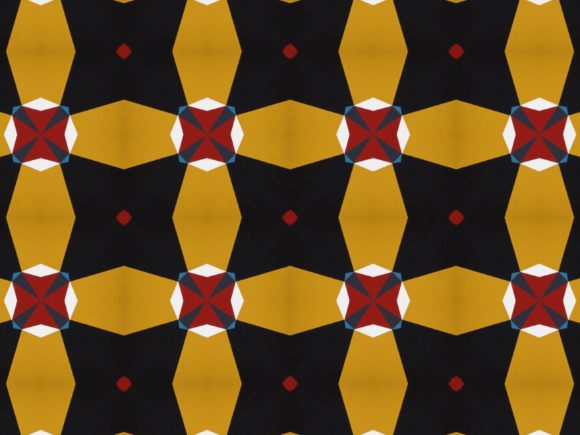
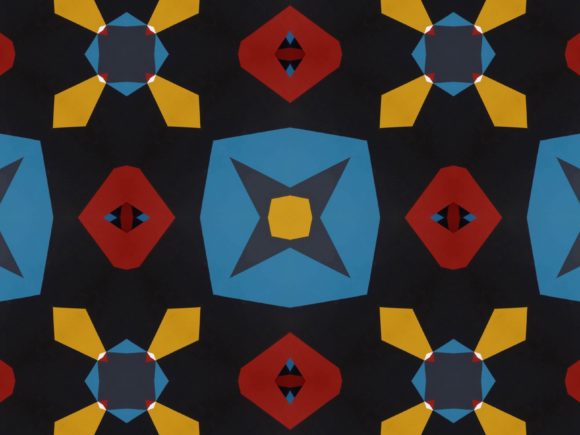
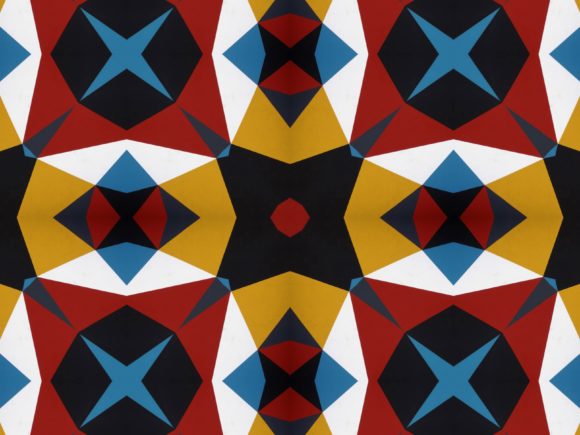
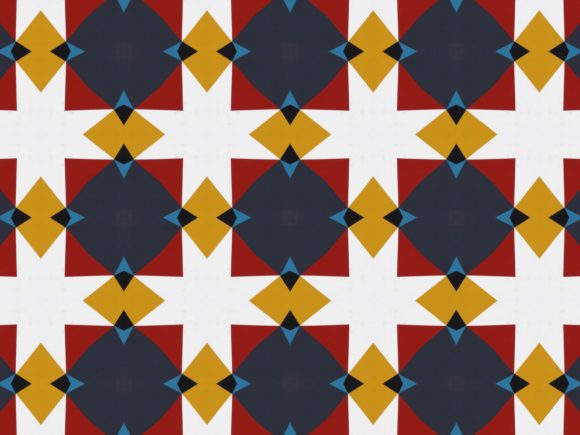
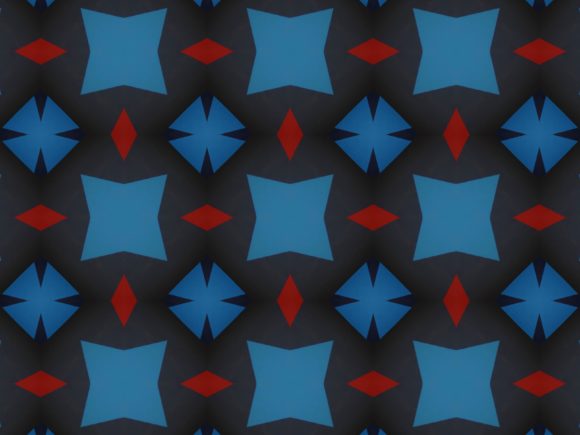
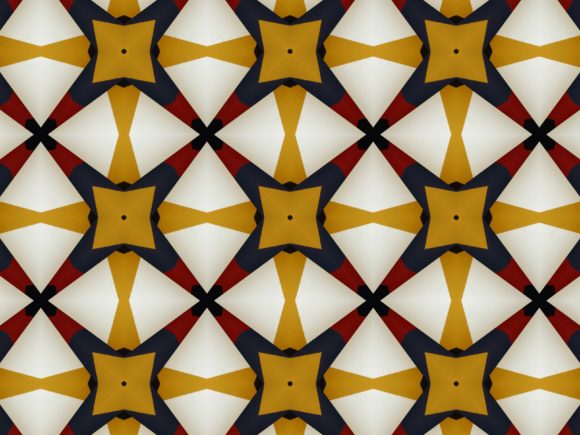
If you spend any time around digital design, print materials, or surface pattern creation, you have likely run across something called a Dynamic Abstract Ornament Pattern. It sounds like a mouthful, but once you see it in action, it clicks immediately. This type of pattern blends the free-flowing energy of abstract art with the structure of ornamentation, often incorporating floral elements and geometric shapes into a seamless, repeating layout. The multicolor versions, in particular, feel alive. They shift depending on where you place them, what you pair them with, and how you scale them. That versatility is why so many designers, small business owners, and even DIY hobbyists keep coming back to it.
Rather than treating this as a theoretical design concept, let us walk through what this pattern actually does in real-world situations. Who uses it? Why? And what should you think about before grabbing that download link for the high-resolution JPG?
What Makes This Pattern Different from Standard Repeat Designs
Most seamless patterns you find online are either purely geometric or purely floral. The Dynamic Abstract Ornament Pattern sits somewhere in between. It takes the organic curves and natural motifs of floral design and layers them with geometric repetition. The result is a visual rhythm that feels both intentional and spontaneous. The multicolor aspect adds another layer. Instead of sticking to two or three tones, these patterns often use a broader palette, which means they can adapt to different moods. A pastel version might feel soft and romantic, while a jewel-toned variation feels bold and luxurious.
The ornamental quality matters too. These patterns borrow from traditional decorative motifs, but they are not stuck in any one historical period. They feel contemporary because the abstraction keeps them from looking dated. That makes them useful for projects where you want elegance without stuffiness.
Background Art for Digital Spaces
One of the most straightforward uses for a Dynamic Abstract Ornament Pattern is as a background. But do not think of it as just filling empty space. A well-chosen multicolor pattern can set the entire tone of a website, a social media banner, or a digital presentation. For example, a freelance graphic designer building a portfolio site might use a muted version of the pattern behind a hero section. It adds texture and personality without distracting from the work shown on top. The key is contrast. Since the pattern is busy by nature, pairing it with clean typography and plenty of negative space keeps the layout balanced.
Event planners also use these patterns as backgrounds for digital invite cards. A wedding invitation that features a soft floral geometric pattern in rose and gold tones immediately communicates romance and sophistication. The same logic applies to save-the-dates, rehearsal dinner invites, or even virtual event backgrounds for Zoom ceremonies.
Print Materials That Need to Stand Out
If you design business cards, brochures, or flyers, you know that standing out is half the battle. A Dynamic Abstract Ornament Pattern can be used as a full bleed background or as an accent element, like a border or a subtle watermark behind text. Small business owners in creative fields, such as florists, event coordinators, or boutique clothing brands, often use these patterns to give their print materials a cohesive, polished look. The multicolor design allows you to pull accent colors that match your brand identity, creating a unified visual system across everything from your website to your business card.
Poster designers also benefit. A concert poster or gallery announcement that uses an abstract ornamental pattern can feel artistic before anyone even reads the text. It signals that the event itself is creative and thoughtfully curated.
Stationery and Wedding Paper Goods
The wedding industry loves a good pattern. Invitation suites, ceremony programs, place cards, menu cards, and thank-you notes all benefit from a cohesive design thread. A Dynamic Abstract Ornament Pattern in a multicolor palette gives couples the flexibility to coordinate with wedding colors without being locked into a single motif. For example, a pattern that includes blush, navy, and gold can carry through the entire suite while matching floral arrangements and table linens.
Stationery designers often purchase a high-resolution JPG of such a pattern and then use it to create multiple pieces within a suite. They might scale it down for a reply card or use a cropped section for a belly band. Because the pattern is seamless, it works across different sizes and formats without awkward breaks.
Wall Art and Home Decor
This is where things get personal. Many people use these patterns as digital downloads for wall art. You can print them at home, at a local print shop, or through an online service and frame them for your living room, bedroom, or office. The multicolor floral geometric quality makes them suitable for modern, bohemian, or even traditional interiors depending on the colorway you choose. Someone decorating a home office might go for a pattern with deep blues and greens to create a calming yet stimulating backdrop. A nursery might call for softer pastels with gentle floral shapes.
Canvas prints are another popular option. A large canvas featuring a Dynamic Abstract Ornament Pattern can serve as the focal point of a room. Since the pattern is abstract, it does not compete with other decorative elements. It complements them.
Fabric and Textile Applications
If you sew or work with fabric, you know how hard it is to find patterns that are both aesthetically pleasing and technically usable. A seamless repeating pattern in high resolution can be printed on fabric through various online services. Quilters, clothing designers, and home sewists use these patterns for everything from throw pillows to skirts to tote bags. The multicolor aspect means the fabric works as a standalone statement piece or as an accent against solid colors.
Upholstery is another possibility. A dining chair reupholstered in a bold ornamental pattern can transform a room. The geometric structure of the pattern helps it read well even when draped over curves and corners, which is not always the case with purely floral designs.
Tile and Surface Design
For those working on home renovation or interior design projects, these patterns can be used as inspiration for tile layouts. While the digital pattern itself is not tile, you can work with a ceramic artist or use print-on-demand tile services to translate the design into physical material. Backsplashes, accent walls, and bathroom floors become unexpected canvases. The ornamental quality of the pattern gives the space a sense of craftsmanship and detail that plain tiles cannot match.
Different Users, Different Benefits
A graphic designer might value the pattern for its flexibility in digital mockups. A wedding planner might appreciate how it ties together a whole suite of paper goods. A homeowner might simply love how a framed print brings warmth to a blank wall. The same asset serves completely different purposes depending on who you are and what you are trying to accomplish. That is the real strength of a Dynamic Abstract Ornament Pattern. It is not niche. It is a tool that adapts to the user rather than dictating how it should be used.
Small business owners often find that investing in a high-quality pattern like this saves them time. Instead of hiring a designer to create a custom background from scratch, they can purchase a download and apply it across multiple projects. The high-resolution JPG format ensures that it looks sharp whether it is used on a screen or in print.
What to Consider Before You Download and Use One
Not all patterns are created equal. When choosing a Dynamic Abstract Ornament Pattern, resolution is the first thing to check. A file that looks crisp on your monitor might appear pixelated when printed at a large size. That is why the download details specify one high-resolution JPG. Make sure the dimensions match your intended output. For web use, a smaller file might suffice, but for print, you want at least 300 DPI at the size you plan to use.
Color is another consideration. The multicolor design is part of the appeal, but it also means the pattern may not work in every context. If you plan to overlay text, check whether the colors create enough contrast. Busy patterns can make text hard to read unless you use a solid color block or a semi-transparent overlay underneath the copy.
Licensing matters too. Many downloadable patterns come with a commercial use license, but it is always wise to confirm. If you plan to sell products featuring the pattern, such as wedding invitations or fabric goods, you need to know whether that is allowed under the terms of use.
Strengths and Limitations Worth Noting
The biggest strength of this type of pattern is its adaptability. It works across media, industries, and personal projects. It elevates simple designs without requiring additional illustration work. The seamless repeat means you never have to worry about awkward edges or mismatched seams.
On the other hand, the complexity of the pattern can be a limitation if not handled carefully. In very small applications, such as a business card or a tiny icon, the details may get lost. Similarly, if the color palette is too broad, it can clash with other elements in the design. Sometimes less is more, and using a cropped or scaled-back version of the pattern actually works better than using it at full size across the entire surface.
Another thing to keep in mind is that digital downloads are static. You cannot edit the individual elements of the pattern unless you have the software skills to manipulate the image. What you see is what you get. That is fine for most projects, but if you need to change a specific color or remove a particular motif, you may need to look for a vector version instead of a JPG.
Making It Your Own
One of the best things about a Dynamic Abstract Ornament Pattern is that it invites personalization. You can change the context, the color pairings, the scale, and the medium. The same pattern that looks modern and edgy on a website might feel soft and romantic on a fabric banner. Experimentation is part of the process.
If you are using it for a brand project, try pulling the lightest and darkest colors from the pattern and using them as your primary and secondary brand colors. That creates instant harmony without requiring you to design a custom pattern from scratch. If you are using it for home decor, consider printing it on different materials to see how the colors shift. Glossy paper makes the colors pop, while matte paper gives them a more subdued, elegant feel.
The floral geometric combination is what gives these patterns their staying power. They do not rely on trends. They rely on visual balance, and that never goes out of style. Whether you are designing for yourself, a client, or a special event, this type of pattern gives you a foundation that is both beautiful and practical.