The Art of Cartoon Doodle Tattoo Sticker Design: From Kawaii Illustrations to Multi-Product Applications
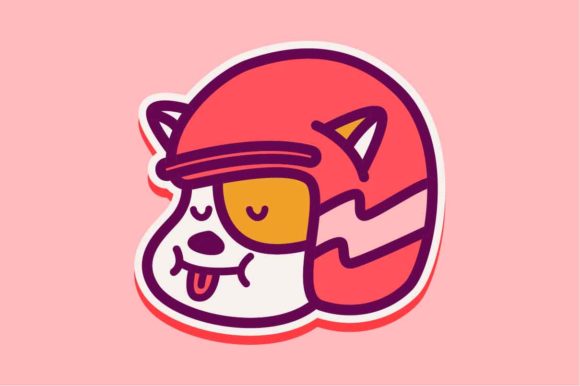
Cartoon doodle tattoo sticker design has evolved far beyond simple sticker sheets. What began as a niche aesthetic rooted in Japanese kawaii culture now influences fashion, branding, digital art, and product packaging. The charm lies in its deceptive simplicity—bold outlines, exaggerated expressions, and playful motifs that resonate with a wide audience. Whether you're a creator exploring new revenue streams or a business owner seeking fresh visual identity, understanding the mechanics behind this design style unlocks practical opportunities.
Understanding the Kawaii Cartoon Doodle Aesthetic
At its core, kawaii cartoon doodle illustration is defined by emotional accessibility. Characters often feature oversized heads, tiny bodies, minimal facial features, and soft color palettes. The “doodle” quality implies a hand-drawn, slightly imperfect line—a deliberate contrast to sterile vector graphics. This imperfection creates warmth and approachability. Designers intentionally leave small gaps, vary line weights, and add spontaneous swirls or stars, mimicking the look of a quick sketch on a notebook margin. This style works well for Cartoon Doodle Tattoo Sticker Design because it translates naturally to small-scale reproductions, where fine details might become lost.
Why does this aesthetic attract everyone from teens to corporate clients? It lowers the barrier to emotional engagement. A smiling cat with wobbly whiskers or a dancing avocado wearing sunglasses doesn’t require explanation. It invites a smile. Researchers in visual communication note that such designs increase brand recall by up to 40% in retail environments, especially when applied to stickers, pins, and patches. The kawaii doodle style also scales across cultures because it avoids complex symbolism in favor of universal expressions of joy, confusion, or calm.
Real-World Applications Across Products
The versatility of cartoon doodle tattoo sticker design becomes apparent when you examine its use across different physical mediums. Each product demands a slightly different treatment of the original illustration.
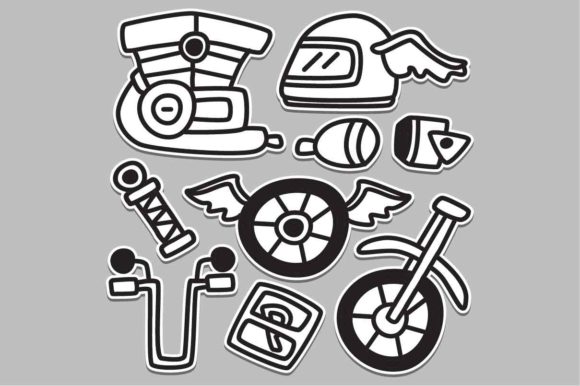
- Stickers and Labels: Vinyl die-cut stickers remain the most common application. The doodle style works well because thick outlines contain the color and prevent ink bleeding during manufacturing. Custom shapes—such as a character outline—increase sticker visibility on laptops, water bottles, and notebooks. For product labels, kawaii doodles on jars or boxes signal a lighthearted brand personality.
- Clothing and Apparel: Direct-to-garment printing and heat transfers prefer designs with limited color gradients. Doodle tattoo designs, often using flat colors, transfer cleanly onto t-shirts, hoodies, and socks. Some brands use a distressed, “worn” effect to mimic the look of an actual tattoo fading on fabric.
- Pins, Patches, and Enamel Badges: When making enamel pins, designers must consider the metal line width. Doodle characters with chunky outlines produce stronger, more durable pins. Soft enamel fills match the hand-colored look of doodles, while hard enamel gives a polished finish for patches sewn onto jackets or bags.
- Backgrounds and Patterns: Repeating doodle patterns are used for fabric prints, wallpaper, and digital phone cases. The key is spacing—doodle elements need breathing room to retain their playful character. Tight patterns look chaotic; generous gaps let each small illustration shine.
- Digital and Print Media: Blog headers, social media templates, and even calendar layouts benefit from kawaii doodles as accent elements. They reduce visual heaviness and guide the eye without dominating the composition.
Design Principles for Versatile Doodle Art
Creating illustration that works across stickers, clothes, and labels requires strategic decisions at the drawing stage. The best Cartoon Doodle Tattoo Sticker Design follows three principles: line consistency, color restraint, and silhouette clarity.
- Line Consistency: A uniform stroke weight (usually 2-4 pixels for digital, or a single nib size for hand-drawn) ensures that the design remains legible when scaled down to a 1-inch sticker or up to a 12-inch patch. Inconsistent lines look messy in reproduction.
- Color Restraint: Limit palettes to 3-5 hues. Overly complex color schemes increase production costs and reduce the kawaii simplicity. Pastel pinks, lavender, mint green, and soft yellow dominate, often paired with a dark outline for contrast.
- Silhouette Clarity: A doodle should be recognizable even in silhouette. Test your design by viewing it in grayscale or as a black shape. If the character’s pose or expression becomes ambiguous, simplify the outline. This is crucial for pins and patches, where metal or thread defines the border.
Another consideration is the “tattoo” aspect: adding a banner, a small heart, or a speech bubble can make the design feel more like a flash tattoo sheet. This nostalgic element appeals to collectors who enjoy sticker books or temporary tattoos.
Technical Considerations for Different Mediums
Not all cartoons translate equally across products. Understanding material constraints helps you adapt your kawaii cartoon doodle illustration designs for stickers, clothes, labels, pins, patches, backgrounds, patterns, and more without compromising quality.
- For Stickers: Use vector formats (AI, EPS, SVG) with outlined fonts. Include a bleed of 0.125 inches for die-cut edges. Avoid thin lines (under 1pt) that may tear during kiss-cut separation.
- For Clothing: Convert to RGB and limit halftones. Doodle designs with heavy black outlines work best for screen printing—flood and stroke layers prevent underbase misregistration.
- For Pins: Submit designs in CMYK with a separate black layer for the metal stroke. Keep open spaces (negative areas) larger than 0.5mm to avoid enamel overflow.
- For Patches: Digitize the design for embroidery. Simple shapes with 6-8 thread colors maintain the doodle feel. Avoid tiny details that become bulky thread knots.
- For Patterns: Create seamless repeats at a minimum 300 DPI. Test the pattern on a mockup to see if the scale works for the intended product (e.g., larger repeats for bed sheets, smaller for phone cases).
A practical example: A doodle of a smiling cloud with a lightning bolt might include tiny raindrops. In a sticker, those raindrops will cut perfectly. But for an embroidered patch, the same raindrops would need to be connected or replaced with stitched dots to prevent loose thread ends. Always produce proof samples before full production.
How Creators and Businesses Leverage These Designs
Independent artists and large retailers alike have found that Cartoon Doodle Tattoo Sticker Design drives engagement in specific ways. The style’s low cost of entry (requiring only a tablet or pen and paper) contrasts with its high perceived value. A single doodle character can generate revenue through multiple channels:
- Print-on-Demand: Upload designs to platforms like Redbubble or Society6. No inventory needed. Stickers and apparel generate passive income.
- Licensing: License a doodle character for use on stationery, gift wrap, or even lunchboxes. The kawaii aesthetic is popular in South Korea and Japan for character merchandise.
- Brand Mascots: Small businesses use custom doodle mascots for social media avatars and packaging. A bakery might use a smiling donut character; a pet store uses a cute paw creature.
- Workshops and Education: Artists teach the technique of doodle tattooing through online courses, selling kits with pre-printed stickers and marker sets.
Business owners should consider that the same design used on a sticker can become a pin, a patch, and a phone wallpaper. Creating an asset library of base characters with interchangeable expressions and accessories multiplies usage without redesigning from scratch. For example, a cat character can hold a coffee cup on a sticker, a book on a patch, or wear headphones on a shirt—all from the same base line art.
Choosing the Right Style for Your Project
Not all doodle styles fit every project. The term “cartoon doodle tattoo sticker design” encompasses several sub-styles, each with different strengths.
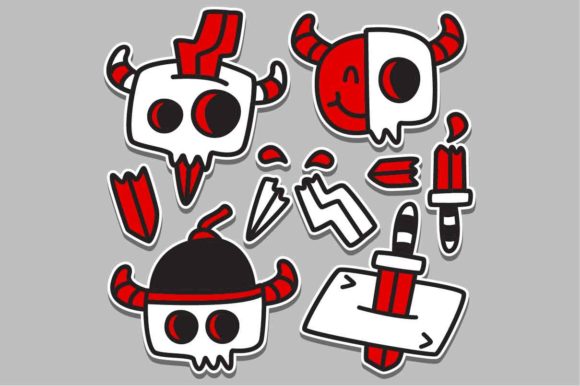
- Flash Tattoo Inspired: Heavy black ink, bold shading, vintage banner elements. Ideal for stickers aimed at tattoo enthusiasts or alternative fashion brands. Works well on metal pins with a weathered finish.
- Minimalist Kawaii: Thin, uniform lines, pastel colors, faces with dot eyes and small mouths. Best for stationery, nursery decor, and feminine apparel. The simplicity reduces production costs.
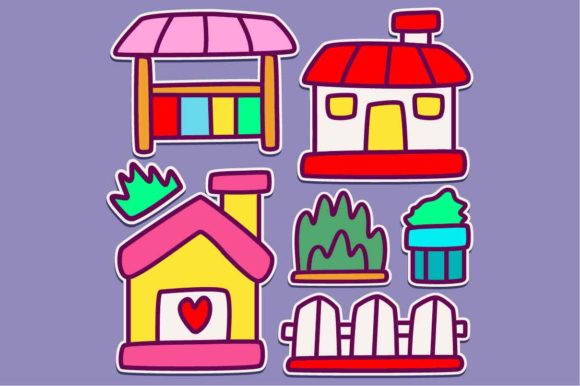
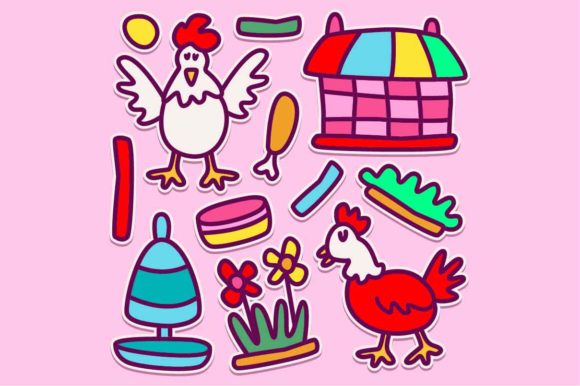
- Whimsical Scenes: Groups of doodle objects—rainbow, cloud, planet, flower—in a single composition. Perfect for patch sets or all-over print patterns. The busy nature requires careful layout to avoid visual clutter.
- Character-Centric: A single protagonist with a narrative attribute (e.g., a ghost holding a balloon). Best for stickers and pins because the character becomes a collectible franchise potential.
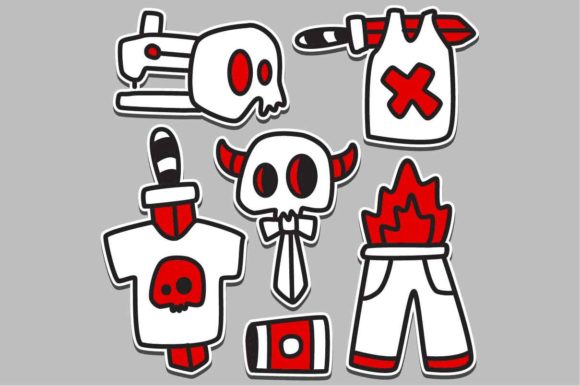
Compare a flash tattoo doodle of a skull with a kawaii doodle skull. The former uses hatching and shading; the latter uses rounded shapes and pastel pink. Both are cartoon doodle tattoo designs, but the target audience differs drastically. For a children’s clothing line, the kawaii version works; for a streetwear brand, the flash tattoo style fits.
Future Trends in Cartoon Doodle Designs
The accessibility of digital drawing tools and increasing demand for personalization shape where this design style is headed. We are already seeing Cartoon Doodle Tattoo Sticker Design appear in augmented reality (AR) filters and digital stickers for messaging apps. The same line art that works on a physical patch can be animated for Instagram stories.
Sustainable materials also influence the field. Biodegradable stickers, organic cotton patches, and recycled paper notebooks become preferred substrates. Doodle designs with minimal background colors reduce waste ink in production—an environmental consideration that matters to many consumers. Additionally, the rise of “doodle therapy” (adult coloring books and sticker journaling) suggests that these designs serve a wellness function. Simple, repetitive drawing patterns promote mindfulness; businesses selling design sets might market them as stress relief tools.
For creators and businesses alike, the enduring appeal of kawaii cartoon doodle illustrations lies in their ability to cross boundaries—from a temporary tattoo on a teenager’s arm to a corporate logo on a coffee mug. By understanding the technical adaptations needed for each medium, and by staying open to evolving applications, anyone can turn a sketch on a napkin into a product that resonates with thousands.