Kawaii Cartoon Sticker Doodle Design Guide
Kawaii cartoon sticker doodle design has quietly become one of the most versatile creative styles for personal expression, branding, and product decoration. If you have ever seen a tiny smiling toast character on a planner sticker or a whimsical cat floating among stars on a clothing tag, you have already encountered this aesthetic. At its core, kawaii cartoon doodle illustration design is about creating simple, charming, and often playful drawings that feel approachable and full of personality. The word kawaii comes from Japanese culture and translates roughly to cute or lovable, but in practice it represents a design philosophy centered on warmth, innocence, and delight. This style does not demand hyper-realism or complex shading. Instead, it thrives on clean lines, rounded shapes, soft expressions, and a sense of gentle humor that appeals to a wide audience.
What makes this design approach so appealing to adults between twenty and fifty is its ability to add lightness to everyday life. Whether you are a hobbyist looking for a relaxing creative outlet or a business owner wanting to make your products feel more friendly, kawaii cartoon sticker doodle design offers a low-barrier entry point. You do not need years of formal art training to create something endearing. A simple doodle of a smiling cloud or a tiny fruit with eyes can carry as much emotional weight as a detailed illustration. That accessibility is one of its greatest strengths. It invites beginners to try, encourages professionals to experiment, and gives entrepreneurs a cost-effective way to differentiate their merchandise.
What Makes Kawaii Cartoon Doodle Illustration Design Unique
The charm of kawaii cartoon doodle illustration design lies in its deliberate simplicity. Characters and objects are often drawn with minimal detail, exaggerated features like large eyes or tiny limbs, and soft pastel or vibrant colors that feel cheerful without being overwhelming. Faces are almost always present, even on inanimate objects, which creates an emotional connection between the viewer and the design. A sticker of a smiling pencil might seem trivial at first glance, but it can spark joy during a mundane workday. That emotional response is exactly what draws people to this style.
Another defining characteristic is the sense of movement and spontaneity. Doodles look unpolished by design. They mimic the loose, carefree lines of something drawn quickly in the margin of a notebook. This organic quality makes the illustrations feel personal and handcrafted, which is why they work so well on products that aim to feel authentic rather than mass-produced. Whether you are designing labels for homemade skincare products or creating pins for a small online shop, kawaii cartoon sticker doodle design helps your items stand out with personality rather than perfection.
Practical Applications Across Products and Platforms
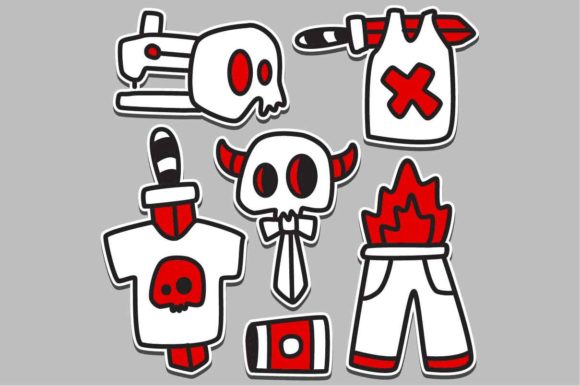
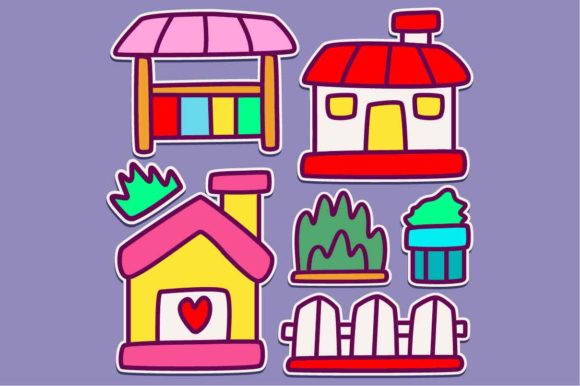
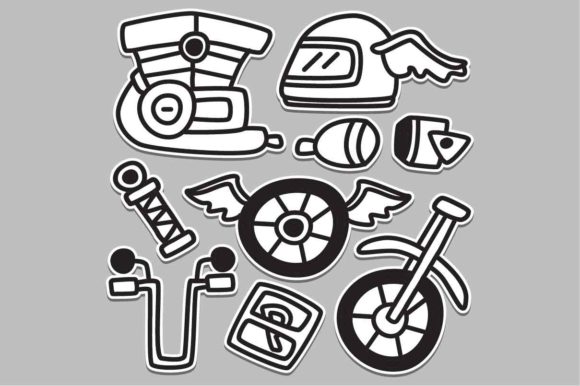
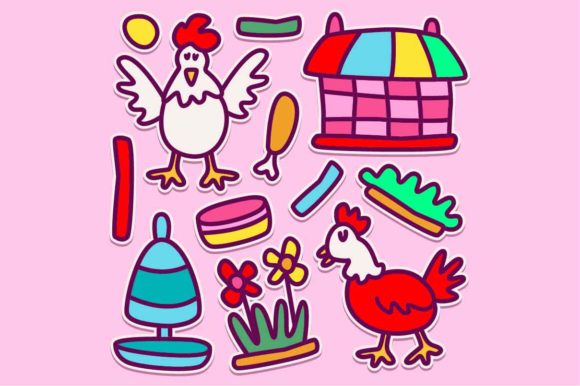
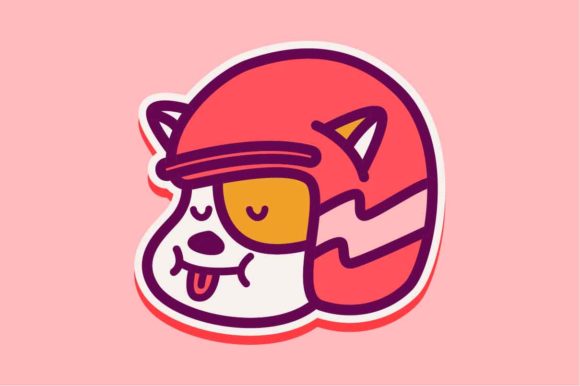
One of the most common ways people engage with this style is through physical stickers. Stickers are affordable, easy to produce, and serve as an entry point for both creators and collectors. A set of kawaii doodle stickers featuring animals, food, or everyday objects can be sold at craft fairs, included as freebies in online orders, or used in bullet journaling and scrapbooking. Many creators start their small businesses by designing sticker sheets because the overhead is low and the demand is consistent.
Beyond stickers, kawaii cartoon doodle illustration design translates beautifully onto apparel. T-shirts, hoodies, and socks printed with friendly doodle characters appeal to adults who enjoy subtle whimsy in their wardrobe. Unlike bold graphic designs, these illustrations often feel understated and playful, making them suitable for casual wear without screaming for attention. Small embroidery patches and enamel pins are another popular format. A pin shaped like a smiling avocado or a doodle-style cactus can become a conversation starter or a way to express personality without words.
Labels and packaging benefit enormously from this design style as well. Small business owners who sell handmade candles, jams, soaps, or stationery often use kawaii cartoon sticker doodle design to create labels that feel warm and trustworthy. A cute doodle on a product label can reduce the intimidating feeling of trying something new and make the item feel like a gift rather than just another purchase. Similarly, patterns featuring repeating doodle motifs are used for wrapping paper, fabric, notebook covers, and digital wallpapers. The repeatability of simple drawings makes them ideal for backgrounds on websites, social media templates, and even custom textile prints.
Digital and Content Creation Uses
Content creators, bloggers, and educators have also embraced this style for digital assets. Social media posts, presentation slides, and course materials feel more inviting when accompanied by kawaii doodle accents. Instead of relying on generic stock imagery, a blogger can use custom doodle illustrations to reinforce their brand voice. Teachers and educators working with adult learners in creative fields sometimes incorporate doodle-style graphics to make concepts feel less dense and more approachable. The lightness of the imagery helps lower cognitive barriers and keeps learners engaged.
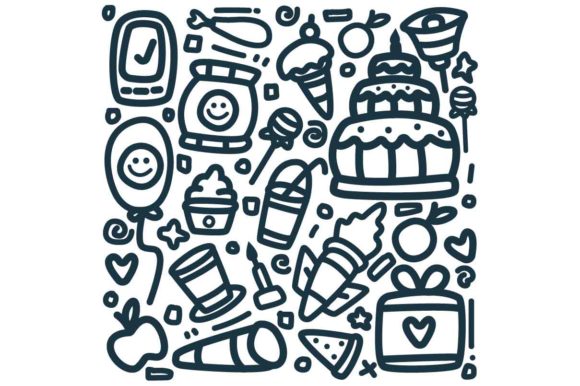
Backgrounds and patterns in digital form are especially valuable for anyone producing printables or digital planners. A kawaii cartoon doodle pattern with repeating stars, clouds, or tiny animals can turn a plain PDF into a desirable product. Many freelancers and small business owners purchase commercial-use doodle packs to save time, while others choose to draw their own to maintain a unique visual identity. Both approaches are valid, and the decision often comes down to budget, timeline, and how personal you want your branding to feel.
Why Adults Are Drawn to This Style
It is easy to assume that kawaii designs are only for children, but the reality is quite different. Adults in their twenties, thirties, forties, and beyond find genuine comfort in cute imagery. In a world filled with serious news, complex responsibilities, and digital overload, a simple smiling doodle can serve as a small moment of relief. The act of creating or using kawaii cartoon sticker doodle design is often described as calming. Many hobbyists turn to doodling as a form of mindfulness, similar to adult coloring books. The repetitive motion of drawing rounded shapes and adding tiny faces can quiet the mind and reduce stress.
For entrepreneurs and marketers, this style solves a practical problem: how to make products feel human. In e-commerce, where customers cannot physically touch or smell a product, visual warmth matters. A kawaii cartoon doodle label on a jar of honey tells the customer that the maker cares about details and wants to bring a smile to their day. That emotional connection can be the deciding factor between a quick scroll and a purchase. This is especially true for small brands competing against larger, more impersonal companies.
Important Considerations Before Starting
If you are new to kawaii cartoon doodle illustration design, there are a few things worth keeping in mind. First, while the style looks simple, good doodle design still requires attention to composition and color balance. Just because something is cute does not mean it can be sloppy. Sharp lines, consistent proportions, and thoughtful color palettes elevate a doodle from amateur to professional.
Second, think about your audience. A doodle that resonates with a twenty-year-old college student might not have the same appeal for a forty-five-year-old business owner. This does not mean you have to limit yourself, but it helps to define who you are designing for. If you are creating stickers for a lifestyle brand, consider whether your characters align with the tone of your other content. Kawaii can be quirky, sweet, or even slightly sarcastic. Finding your specific flavor within the style will help you stand out.
Third, pay attention to product compatibility. Not every illustration works on every surface. Intricate doodles with very thin lines may lose detail when printed on fabric or metal pins. Conversely, overly simple designs might look too plain on a large poster or background pattern. Test your artwork on the intended medium before committing to a large production run. Many creators start with print-at-home sticker paper or small batch pin manufacturers to experiment.
Finally, respect intellectual property. Kawaii cartoon sticker doodle design is a genre, not a trademark, but specific character designs can be protected. If you are drawing inspiration from existing artists, study their techniques and create your own original characters. Building a recognizable personal style takes time, but it is worth the effort. Customers appreciate originality, and it prevents legal complications down the road.
Getting Started Without Overwhelm
If you are ready to explore this style, start small. Pick up a sketchbook or a digital drawing app and practice drawing basic shapes with faces. A circle with two dots and a curve can become a hundred different characters depending on how you adjust the expression. Experiment with different objects: a mug, a leaf, a raindrop, a slice of cake. Add tiny arms or feet if you want. The goal is not perfection but playfulness. Over time, you will develop a library of doodles that feel like your own.
Many experienced designers recommend building themes. A set of weather-themed doodles, a collection of food characters, or a series of animal friends gives your work cohesion and makes it easier to market. A cohesive sticker pack is more likely to sell than a random assortment because it tells a story. Consider what emotions you want your designs to evoke and let that guide your choices.
Kawaii cartoon doodle illustration design is not just about making things cute. It is about making things feel human. Whether you are designing for yourself, your classroom, your side business, or your brand, the principles remain the same. Keep it simple, keep it warm, and let your personality show through every line. That is what turns a doodle into something people want to buy, wear, share, and smile at.