Stripes and Rhombus Pattern in Design
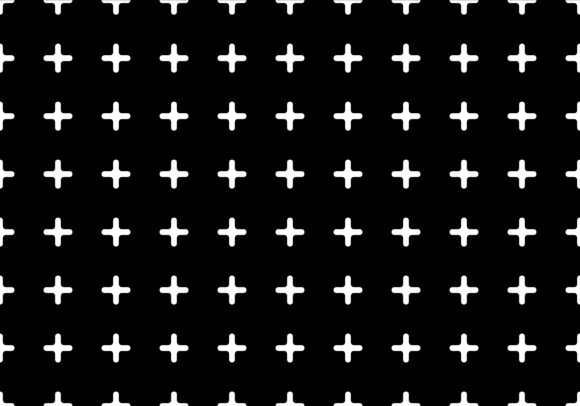
A striking interplay of geometry and contrast, the Stripes and Rhombus Pattern captures immediate attention through bold vertical lines and rhythmic diamond forms. When rendered in white on black, this abstract composition channels a Mondrian-inspired hipster aesthetic that feels both timeless and contemporary. For graphic designers seeking to inject visual tension and modern sophistication into their work, this monochrome vector pattern offers a versatile foundation for branding, textiles, wallpapers, and editorial layouts.
Why This Pattern Resonates in Modern Visual Design
Geometric patterns like the stripes and rhombus motif do more than decorate—they establish visual hierarchy, direct the eye, and reinforce brand identity. In a saturated digital environment, distinctive creative assets help brands cut through noise while preserving clarity and consistency. The rhythm of repeating shapes communicates precision and order, qualities that elevate everything from logo design to packaging decisions. As visual communication evolves, designers increasingly turn to abstract vector resources that deliver impact without overwhelming the core message.
Branding and Logo Design
Integrating a stripes and rhombus pattern into brand identity adds depth and texture without diluting the primary mark. Use it as a secondary graphic on business cards, letterheads, or website headers to build a cohesive visual system. The abstract of stripe and rhombus pattern vector works especially well for brands targeting creative, modern audiences who appreciate geometric artistry.
Marketing and Social Media Content
For social media graphics, this pattern provides an eye-catching backdrop for quotes, product launches, or campaign visuals. The high-contrast white-on-black treatment ensures readability, while the structured geometry signals professionalism and innovation. Incorporate it into Instagram stories, LinkedIn banners, or email headers to maintain a consistent brand presence.
Web Design and UI Elements
Websites benefit from patterned backgrounds that add visual interest without distracting from content. A subtle application of the rhombus motif in hero sections, divider elements, or hover states enhances user experience by introducing texture and rhythm. When used sparingly, it improves UI design without compromising usability or load times.
Packaging and Print Projects
On product packaging, the monochrome pattern wraps elegantly around boxes, bags, or labels, creating a premium unboxing experience. In editorial design, it functions as a full-page backdrop, a chapter opener, or a discreet repeating element within layouts. For textiles and wallpaper, the pattern scales beautifully to produce sophisticated surface designs.
Additional Creative Uses
- Illustration and ornament: Layer the pattern as a texture or use it as a structural element in digital art.
- Cloth and wrapping: Apply to fabric patterns or gift wrap for a distinctively modern look.
- Merchandise: Embellish t-shirts, tote bags, mugs, and phone cases with the pattern for on-brand products.
- Presentation templates: Use as a slide background or accent to maintain visual continuity.
Selecting and Applying the Pattern Effectively
When integrating any pattern into your design workflow, scalability and consistency are paramount. Verify that the vector asset maintains integrity across sizes—from a small icon to a large-scale wallpaper. The pattern's rhythm should align with your brand's color palette, typography, and overall aesthetic direction.
Key Considerations for Designers
- Readability: Ensure the pattern never overwhelms text or primary visuals. Adjust opacity or scale to create subtle backgrounds.
- Scalability: Test the vector at different resolutions to avoid pixelation or loss of definition.
- Audience fit: A Mondrian-inspired hipster look resonates with creative, contemporary audiences but may not suit traditional corporate brands.
- Visual hierarchy: Let the pattern support the design rather than dominate it, unless a bold statement is the goal.
Enhancing Creative Projects with Monochrome Geometry
The beauty of this white-on-black stripe and rhombus vector lies in its versatility. It integrates seamlessly into digital products like app interfaces, presentation decks, and social media templates. For illustrators and textile designers, the pattern serves as a foundation for layering additional elements or as a standalone texture that adds depth.
Typography choices matter when pairing with geometric patterns. Sans-serif fonts with clean lines complement the structured rhythm, while a bold serif can introduce dramatic contrast. Experiment with scale, rotation, and placement to achieve optimal visual balance. The pattern also pairs well with other modern aesthetics, including minimalism, brutalism, and abstract expressionism, offering flexibility across diverse design trends.
Ultimately, thoughtful design decisions elevate both aesthetics and communication. Whether you're crafting a brand identity, designing packaging, or developing digital content, the Stripes and Rhombus Pattern provides a sophisticated tool for creating memorable, impactful visuals. By selecting creative assets that blend artistic expression with functional utility, you empower your projects to resonate more deeply with audiences and stand the test of shifting trends.