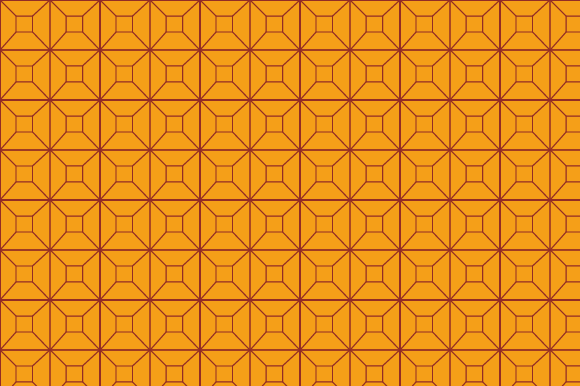
Unique Geometric Pattern Design for Professional Creative Workflows
Geometric pattern design has moved beyond decorative wallpaper into a core asset for branding, UI elements, product packaging, social media content, and architectural visualization. When you work with unique geometric pattern design, you are not just selecting a repeating shape—you are establishing a visual system that can anchor an entire project. Understanding how to source, customize, and implement these patterns effectively saves time, ensures consistency, and elevates the final output.
What Unique Geometric Pattern Design Brings to a Project
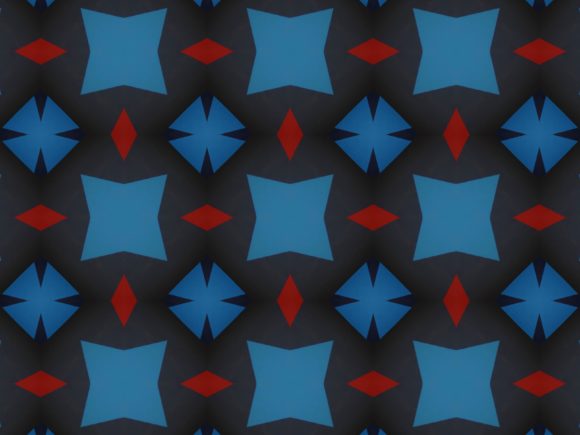
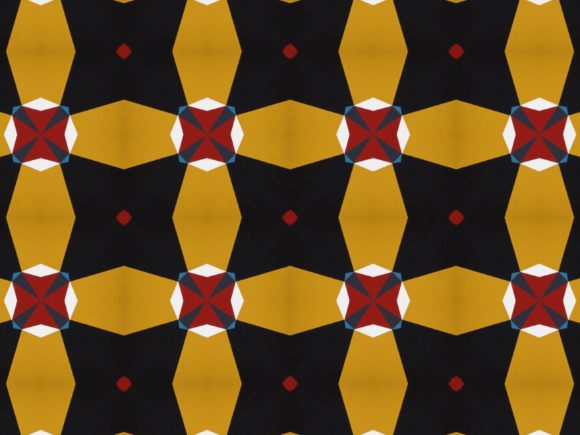
A unique geometric pattern design is a deliberately composed arrangement of shapes, lines, and angles that forms a cohesive visual texture. Unlike generic patterns, unique designs avoid overused motifs and instead introduce original relationships between elements. This originality matters because audiences today recognize recycled visuals. A pattern that feels fresh supports brand differentiation and keeps viewers engaged longer.
Where Patterns Fit in a Broader Workflow
Geometric patterns rarely exist in isolation. They interact with typography, color palettes, photography, and layout grids. In a typical design workflow, the pattern might be selected during the mood-board phase, then refined alongside the color scheme, and finally exported as a scalable asset for both screen and print. The EPS file format ensures the pattern remains resolution-independent, while the PNG file provides a ready-to-use raster version for quick mockups or web use.
For a marketing team launching a new product line, the pattern could define the packaging background or the hero image texture. For an educator preparing course materials, the same pattern might create consistent slide backgrounds that reinforce branding across modules. The versatility of a well-designed geometric pattern means it serves multiple roles before, during, and after the core design phase.
Before a Project: Planning and Asset Preparation
When you begin a new project, having a library of unique geometric pattern designs ready allows you to move faster during the conceptual stage. Instead of creating a pattern from scratch under deadline pressure, you can evaluate pre-made options that match your structural needs. Look for patterns with clean geometry, balanced negative space, and color variants that align with your projected palette.
File format matters here. EPS files open directly in vector editing software, so you can adjust stroke weights, rotate elements, or recolor individual components without degrading quality. Keep a folder of EPS patterns sorted by style—symmetrical, radial, tessellating, linear—so you can pull the right one quickly. This preparation step reduces decision fatigue later.
During a Project: Integration and Customization
Integrating a geometric pattern into a live project requires attention to scale, opacity, and repetition. A pattern that works at full size on a poster may feel overwhelming when applied to a business card. Start by placing the EPS file into your design software and adjusting the scale until the pattern reads as texture rather than noise. Layer the pattern behind key content, and consider using blending modes to soften its impact.
If the pattern will appear across multiple deliverables—such as a website header, social media tiles, and a printed brochure—use the same base EPS file for all iterations. This ensures that the relationship between shapes remains identical, even when the application size changes. For quick previews or client presentations, the PNG version works well because it loads instantly and does not require vector software to view.
After a Project: Archiving and Reuse
Once a project finishes, archive the pattern files with metadata that includes color hex codes, scale settings, and usage notes. This practice is especially valuable for agencies or freelancers who revisit work for updates or annual campaigns. A unique geometric pattern design can become a recurring visual element across seasons or product lines, saving you the time of recreating it each time.
Store both the EPS and PNG files in a shared folder structure. EPS preserves the source for future editing. PNG retains the exact rendered look of your finalized version, which is useful when you need to match the pattern to a previous output without reopening the vector file.
EPS: The Vector Source File
The EPS file is your master copy. It contains the pattern as editable vector paths, which means you can scale it to any size, change individual shape colors, or combine it with other vector elements. When you receive a unique geometric pattern design as an EPS, open it in software like Adobe Illustrator or Affinity Designer. Check if the pattern is built as a single swatch or as individual grouped shapes. Swatches are easier to apply as fills. Grouped shapes offer more control for custom arrangements.
One practical tip: before editing, duplicate the EPS file and work on the copy. This preserves the original pattern structure. If you need to create a seamless tile, verify that the pattern boundaries align correctly. Many high-quality EPS patterns already handle this, but it is worth confirming before scaling.
PNG: The Raster Deliverable
The PNG file is your ready-to-use version with a transparent background. It is ideal for drag-and-drop placement into software that does not support vectors, such as Canva, Keynote, or basic image editors. Because PNG supports lossless compression, the pattern remains crisp at the resolution it was exported at. For web use, a 300 DPI PNG handles retina displays well. For print, ensure the PNG was exported at the intended print size or larger.
If you need to adjust the color of a PNG pattern, do so in a raster editor using layer blending or adjustment layers. However, for significant color changes, return to the EPS source and export a new PNG. This preserves the pattern integrity and avoids pixel distortion.
Compatibility and Preparation Considerations
Before integrating a unique geometric pattern design into your workflow, confirm that your software supports the file formats. Most professional design tools open EPS without issues, but some online platforms require SVG or AI format. If you encounter compatibility limitations, convert the EPS to SVG using a vector converter. The PNG file typically works everywhere, from social media schedulers to presentation apps.
Preparation also involves checking the pattern’s repeat style. Some patterns are designed as standalone compositions that look best when used once, while others tile seamlessly. For backgrounds or large surfaces, seamless tiles are essential. For hero graphics or accent elements, a non-repeating pattern may add more visual interest. Read the file description or preview the pattern at a large scale to understand its behavior.
Organizing Your Pattern Library
As you collect unique geometric pattern designs, build a naming convention that includes the pattern name, style category, and primary colors. For example: “hexagonal_wave_bluegrey.eps” and “hexagonal_wave_bluegrey.png.” Use folder tags or metadata fields to indicate whether the pattern is seamless, symmetrical, or radial. This organization directly reduces time spent searching during tight deadlines.
Consider maintaining a separate folder for patterns that you have customized. These derivations may become the signature style for a client or brand, so tracking the original and modified versions helps with version control. If you work on a team, share the library via a cloud drive with clear read-me notes about licensing and allowed usage.
Quality Control and Long-Term Use
Quality in geometric pattern design is determined by precision of angles, consistency of spacing, and absence of artifacts in the seam. When you purchase or download a pattern, zoom in at 200% in vector software to inspect intersections. Check that lines meet cleanly and that no stray anchor points exist. For PNG files, examine the edges for aliasing or haloing, especially around transparent areas.
Long-term use of a pattern requires that the source files remain accessible and editable. Avoid flattening EPS files into uneditable objects. Keep the original layers and swatches intact. If you ever need to adapt a pattern for a completely different color scheme or scale, the layered vector file is your insurance against starting over.
Efficiency in Production
When you work with multiple patterns across different projects, establish template files that pre-load your most-used patterns. For example, create an Illustrator template with your top five geometric patterns as swatches, along with standard artboards for common deliverables like social media posts, flyers, and slide backgrounds. This template eliminates the repetitive step of opening and applying pattern files each time.
For PNG-based workflows, keep a folder of pre-cropped pattern tiles at various aspect ratios—square, 16:9, 4:3. This small preparation step saves you from cropping and resizing mid-task. The time saved across dozens of projects adds up significantly.
Bringing Unique Geometric Pattern Design Into Your Routine
The best way to integrate unique geometric pattern design into your regular work is to treat it as a utility rather than a decorative afterthought. Decide early in a project whether a pattern will serve as a background, a divider, a frame, or a texture. This clarity guides your file format choice and your editing approach.
If you are a blogger or content creator, use PNG patterns as consistent header backgrounds across posts. The repetition builds visual brand recognition. If you are a product designer, keep EPS patterns in your component library for UI elements like cards, buttons, or loading screens. The patterns add depth without requiring additional graphic elements.
For small business owners, unique geometric patterns can differentiate packaging, labels, and signage from competitors. A well-chosen pattern communicates attention to detail and design literacy. Pair it with a clean sans-serif font and a restrained color palette, and the pattern becomes a subtle yet powerful brand signal.
A Simple Integration Example
Imagine you are preparing a presentation for a client pitch. Open your design software and create a 16:9 artboard. Apply a unique geometric pattern design as a background fill at 15% opacity. Overlay your content text in a high-contrast color. Export two versions: one PNG for the on-screen presentation and one PDF for handouts. The pattern unifies the deck visually without distracting from the message. The entire process takes under ten minutes because the pattern file is already organized and ready in your library.
This efficiency is the real value of unique geometric pattern design. It is not about having an endless collection of decorative files. It is about having the right pattern, in the right format, at the right stage of your workflow, so you can focus on the decisions that actually move your project forward. Whether you use EPS for full control or PNG for speed, a purposeful pattern strategy supports consistent, high-quality output across any medium.