Jepara Batik Design: Elegant Floral Patterns in White and Brown
When you explore Indonesian textile heritage, Jepara batik design stands apart with its distinctive floral motifs and refined color palettes. The white and brown combination, in particular, offers a quiet elegance that works across fashion, interior styling, and creative projects. Understanding what makes this design tradition valuable—and how it can serve your specific needs—may help you make more informed choices whether you are a professional seeking visual impact, a creator looking for inspiration, or a consumer wanting something meaningful for your space or wardrobe.
What Makes Jepara Batik Design Distinct
Jepara batik design originates from the Jepara region in Central Java, an area long known for its woodcarving and textile artistry. Unlike batik traditions from other Indonesian regions that lean heavily on geometric patterns or bold contrasts, Jepara batik draws its character from floral imagery rendered with a softer, more organic hand. The motifs often incorporate jasmine, frangipani, and other local blossoms, arranged in compositions that feel both structured and flowing.
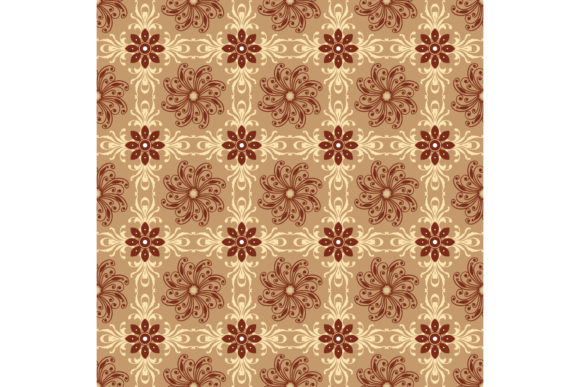
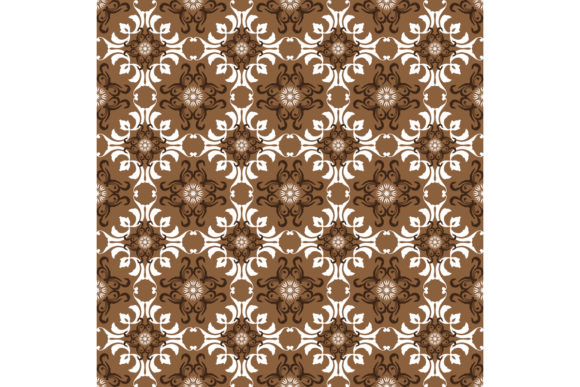
The white-on-brown or brown-on-white treatment common in the Beautiful Jepara batik floral pattern with elegant white brown color design collection is not accidental. Brown, derived from natural soga dyes, carries warmth and timelessness. White represents purity and balance. Together, they create a visual language that is neither loud nor forgettable. For professionals and entrepreneurs, this balance can be especially useful when you want to communicate sophistication without relying on bright or trendy colors that date quickly.
Practical Benefits for Professionals and Entrepreneurs
If you run a small business or manage a brand, the visual decisions you make affect how clients perceive your work. The subtlety of Jepara batik design offers a way to incorporate cultural depth into your presentation without overwhelming your core message. A scarf with white-brown floral batik can serve as a distinctive uniform accessory for a boutique hotel or a café. A framed batik panel in a consultation room or lobby adds texture and conversation without demanding attention away from your services.
For marketers and bloggers, the pattern can become a reliable visual anchor. The neutral color scheme pairs well with most photography styles, editorial layouts, and digital backgrounds. Instead of searching for generic stock imagery, you can use batik elements to create a consistent, recognizable aesthetic that sets your content apart. The floral motifs also provide an easy bridge to topics around sustainability, craftsmanship, and cultural storytelling—subjects that resonate well with informed audiences.
How Creators and Designers Can Use Jepara Batik Floral Patterns
Graphic designers, illustrators, and product developers often look for pattern libraries that are versatile enough to adapt across media. The Jepara batik floral pattern, especially in the elegant white-brown palette, works as a starting point for digital prints, textiles, packaging, and surface patterns. Because the motifs are natural and repeating, they can be scaled, rotated, or isolated for different uses.
A freelancer developing a stationery line might use a single floral sprig from the pattern as a watermark or foil-stamped detail. A fashion designer could integrate the motif into a modern silhouette, letting the tradition speak for itself while keeping the garment wearable and current. The white-brown color design also means the pattern integrates easily into neutral or earth-toned collections—no need to rework an entire seasonal palette around it.
What makes this collection particularly useful is that the designs are already resolved. You do not need to reinterpret or simplify a complex pattern to make it functional. The floral motifs are clear, well-spaced, and balanced, which saves time when you are translating them into production-ready assets.
Efficiency and Simplicity in Decision-Making
Choosing textiles or patterns for a project often involves sorting through dozens of options, comparing scales, checking color fastness, and imagining how a design will look in a real setting. The Jepara batik white-brown floral collection simplifies this process in a few ways.
- Color harmony. White and brown are inherently compatible with most existing décor, wardrobe staples, and brand palettes. You are less likely to need to adjust other elements to accommodate the pattern.
- Scale versatility. The floral motifs tend to be medium-scale—visible enough to be appreciated but not so large that they dominate a small surface or so small that they disappear on a large one.
- Context neutrality. The design reads equally well in traditional, modern, rustic, and minimalist settings. That reduces the need to maintain separate inventories for different aesthetics.
For small business owners managing inventory or sampling costs, this kind of flexibility matters. You can stock one design that serves multiple use cases rather than holding multiple patterns for different customer preferences.
Who Benefits Most from This Collection
While anyone can appreciate a well-made batik, certain audiences may find the Jepara batik floral pattern particularly aligned with their needs.
Educators and workshop facilitators can use the pattern as a teaching tool. The clear floral forms and traditional dye process make it easy to explain cultural context, color theory, and textile techniques without needing a physical workshop setup.
Hobbyists and home sewers often face the challenge of finding fabrics that are beautiful but also forgiving to work with. The structured repeat and moderate scale of these patterns make them suitable for garments, cushions, table linens, and accessories without requiring advanced pattern-matching skills.
Publishers and content creators working on lifestyle, travel, or design topics can reference the Jepara batik tradition as a case study in regional craftsmanship. The white-brown floral collection offers strong visual documentation for articles, lookbooks, or social media features—especially when you want to highlight harmony between tradition and contemporary use.
Realistic Use Cases and Observations
A practical example: A small fashion label focused on slow fashion and ethical sourcing wanted a signature print for a capsule collection. Rather than commissioning an original pattern from scratch, the founder sourced pieces from the Jepara batik white-brown collection. The result was a shirt dress and a wrap skirt that carried clear cultural references without looking costumey. The neutral colorway meant the pieces worked across seasons, and customers frequently mentioned the pattern as a conversation starter. For the founder, the main benefit was speed—she went from concept to sample in half the time it would have taken to develop a custom print.
Another example: A wedding planner used white-brown batik floral fabric as table runners and napkin accents for an outdoor reception. The natural tones complemented wooden furniture and greenery, and the batik motif added a layer of texture that plain linen could not provide. Guests appreciated the detail, and the planner was able to reuse the fabric for later events with different color schemes.
These examples illustrate a broader point: the Jepara batik design works best when you let it support your existing vision rather than forcing it to carry a theme on its own. Its strength is in its restraint.
Considerations When Choosing Jepara Batik
No design collection fits every situation perfectly. The white-brown floral pattern, while elegant, may not suit projects that require high contrast, bold primary colors, or abstract motifs. If your brand identity leans toward bright neon or minimalist black-and-white, this palette could feel out of place. Similarly, if you need a pattern that reads strongly from a distance—such as for large-scale signage or stage backdrops—the subtlety of the floral details might get lost.
Authenticity also matters. Jepara batik design is rooted in specific regional techniques and materials. When sourcing, it is worth checking whether the fabric is hand-drawn (batik tulis) or stamped (batik cap), and whether the dyes are natural or synthetic. These factors affect the look, feel, and longevity of the textile, as well as its cultural integrity. For creators and brands who value transparency, knowing the provenance of the pattern adds genuine value to your product story.
If you are working with digital reproductions, be aware that the subtle tonal difference between white and off-white in natural fabrics may not always render accurately on screen. Ordering a physical swatch before committing to a large run is a practical step that avoids disappointment.
Making the Collection Work for Your Goals
The value of the Beautiful Jepara batik floral pattern with elegant white brown color design collection lies not in novelty but in reliability. It offers a refined aesthetic that supports a wide range of applications without demanding constant reinterpretation. For busy professionals, creators, and business owners, that reliability translates into saved time, reduced decision fatigue, and a stronger, more consistent visual presence.
Whether you are outfitting a studio, developing a product line, planning an event, or simply looking for fabric that brings quiet beauty into your everyday environment, this design tradition deserves a place on your shortlist. Its elegance does not shout—it lasts.